
TEL:+86-17777782574
Contact
The interactive plan between OLED transparent screens and 3D printing in architecture has brought many opportunities and challenges for architectural design, urban planning, and education. By fully leveraging the advantages of both, we can create more innovative and interactive ways of presentation. This plan not only provides a more intuitive and immersive presentation experience, but also promotes communication and collaboration in design, planning, and learning. When implementing this plan, the first requirement is to prepare a set of OLED transparent screens and building 3D printing equipment. OLED transparent screens can be customized according to the required size and quantity to meet the display needs of different scenes. Architectural 3D printing equipment is used to print models of buildings, allowing for the selection of printing equipment with appropriate dimensions and materials. Based on the requirements of detailed application scenarios, designers and planners can use architectural design software and 3D modeling software to create virtual models of buildings and 3D models of cities. These models can include the appearance, internal structure, data details, as well as information about the city's roads, greenery, and building dispersion.
OLED transparent screen
Import virtual and 3D models into OLED transparent screens and architectural 3D printing equipment for interactive display. On OLED transparent screens, virtual models of buildings can be presented through projection and display technology, allowing viewers to stop interacting and understand various aspects of the building through touch screen, gesture recognition, or device manipulation. And architectural 3D printing equipment can print the model of the building layer by layer to form a solid model, allowing the audience to touch and feel the real form of the building. This interactive plan can be applied to multiple categories. In architectural design, designers can adjust the design and details of buildings through real-time presentation and interaction, improving design efficiency and accuracy. In urban planning, planners can present the blueprint for the development of the city, evaluate the advantages and disadvantages of different planning plans, and engage in in-depth discussions and participation with the public. In the field of education, students can deepen their understanding of the principles and processes of architecture and urban planning through interactive presentation and theory, cultivate innovative thinking and problem-solving skills.
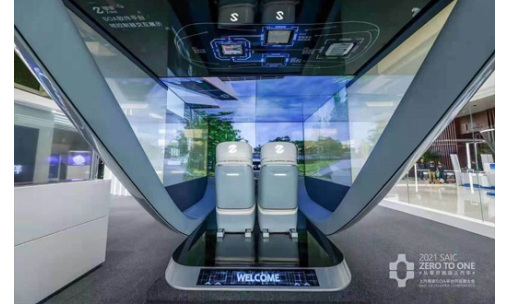
By separating OLED transparent screens from architectural 3D printing, we are able to invent more vivid and interactive display methods, enhancing the experience and effectiveness of architectural design, urban planning, and education. This innovative plan will bring new possibilities and opportunities for future architecture and urban development, promoting the application of such interactive plans and advancing innovation in architecture and urban development. By presenting virtual and physical models of architecture and urban planning, people can more intuitively understand and evaluate design plans, detect potential problems early, and stop effective communication and collaboration. This will help improve the quality and efficiency of architecture and urban planning, inventing more functional, aesthetically pleasing, and sustainable buildings and urban spaces.

Tel:+86-17777782574
Email:Manager@nexoled.com
WhatsApp:+86 17777782574
